What is PaT and why it matters
You’re about to start using one of the most powerful platforms in business and the world's first Culture Management Platform — but to get the most out of it, you need to understand what it is… and…
On this page
Step 1
What is PaT and why it matters.
Step 2 · Welcome to PaT
You’re about to start using one of the most powerful platforms in business and the world's first Culture Management Platform — but to get the most out of it, you need to understand what it is… and why it exists.
Step 3 · Out With the Old, In With the PaT!
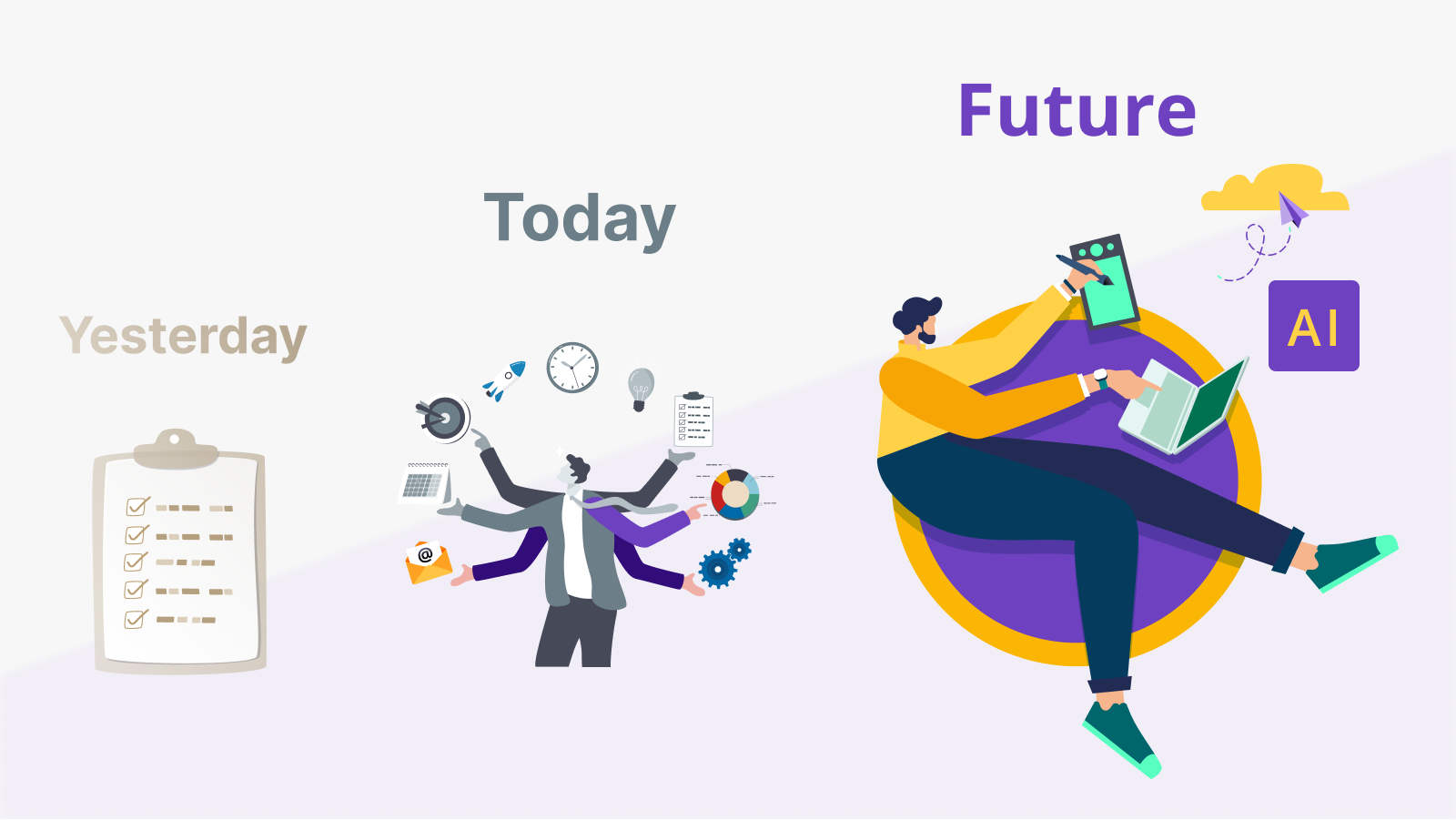
Most businesses still rely on a Frankenstein patchwork of disconnected tools: Email, Word docs, Spreadsheets, Paper forms, Manual systems, Stand-alone apps and Processes that depend on memory and trust. Most of these tools have design roots that trace back to the 1980s. Whilst great in their day, they haven’t kept up with the pace or complexity modern companies need from their people in order to thrive. PaT replaces dozens of traditional business tools, manual, paper and memory based systems with a single super app which is a much smarter way to run a business. Being smarter allows us to perform better than our competitors which means we win and retain higher quality customers which allows us to pay our people more, provide greater job security and greater opportunties for our people than our competitors.
Step 4 · Systems drive culture
People don’t rise to the level of their potential — they fall to the level of their systems. When systems are fragmented, people spend energy chasing updates, fixing errors, and working around gaps. These behaviours become the culture: reactive, stressed, and inconsistent. When systems are unified and automated, people spend energy on high-value work. Those behaviours become the culture: focused, accountable, and high-performing.

Step 5
PaT was built to reimagine business tools — not as a tangle of disconnected systems, but as a unified platform powered by automation. Traditional tools come from reductionist thinking: responsible for countless breakthroughs, but too often leaving the right hand blind to what the left is doing. Just as the lightbulb wasn’t created by improving the candle, Pat is built on Systems Thinking — an advanced approach that considers cause and effect across the whole system. In practice, this means automating manual, disconnected work and building real capability through PaT’s LMS — because no team can reach its best without training that shows everyone what great outcomes look like. Pat unifies dozens of apps, removes friction, and takes over the countless low-level tasks that consume time and energy. It culminates in live dashboards that prevent breakdowns before they happen — giving leaders the actionable insights they need to shape the future, and staff the feedback they need to be their best. Like the introduction of the electric light, new ways of working meet resistance. Some adapt instantly, others take time so there is a learning curve that will vary by person. But once people experience the benefits, the light switches on as people experience a step change in productivity— they wonder how they ever worked without it.
Step 6 · Summary
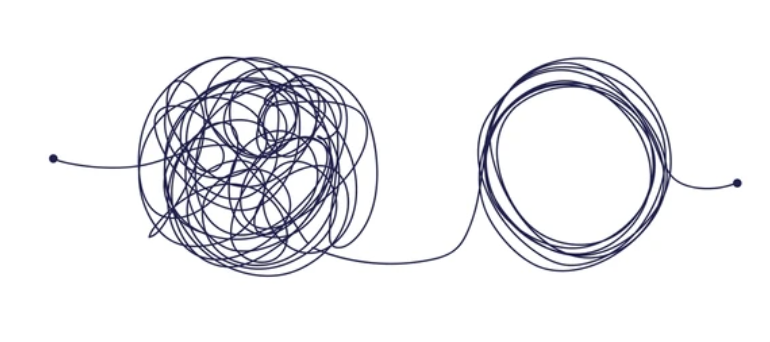
What is PaT A single super-app that replaces dozens of traditional business tools, manual processes, and paper-based systems that rely on memory and workarounds. Why it Matters People don’t rise to the level of their potential — they fall to the level of their systems. The systems used for planning, problem-solving, communicating, and managing work don’t just shape effectiveness — they directly shape work culture and influence productivity. By replacing fragmented tools with a unified platform, PaT unlocks the ability to build a high-performing culture where people achieve more with a lot less stress, enjoy greater job security, and can be rewarded for higher levels of excellence. PaT - the world's first Culture Management Platform.